Flexible Elevator Installation Solutions Built Around Your Project
Lincoln Lifts and Elevators installs non-proprietary elevators and lifts for projects across Ontario. Unlike manufacturers that only install their own proprietary equipment, we have the flexibility to recommend and install the solution that best fits your building, budget, and long-term operational needs.
Because we work directly with leading manufacturers and suppliers, we are not restricted by standard product lines, predetermined configurations, or limited design options. Whether your project requires unique hoistway dimensions, specific capacities, specialized applications, or custom performance requirements, we can help develop a solution that works.
Just as importantly, we believe successful elevator installations depend on communication and collaboration. When you call us, you’ll speak with a real person who understands your project. We work closely with architects, consultants, general contractors, electricians, and other trades to coordinate schedules, minimize delays, and keep construction moving forward.
WHAT DOES NEW INSTALLATION MEAN?
A new elevator installation involves the complete installation of a new elevator system, including the elevator car, controls, machinery, safety systems, and supporting components.
Most installations occur during new building construction, although some existing elevators are replaced when modernization is no longer the most practical or cost-effective option. Factors such as aging equipment, structural limitations, hoistway issues, or asbestos concerns can make full replacement the better long-term investment.
Successful installations begin long before equipment arrives on site. Early collaboration between the architect, general contractor, consultants, and elevator contractor is essential to determine proper hoistway dimensions, guide rail attachments, electrical requirements, and equipment specifications.
At Lincoln Lifts and Elevators, we work alongside your project team throughout the planning and construction process. We understand that every trade has a schedule to maintain, and we’re always willing to coordinate timing, site access, and installation activities to help keep your project on track.
TYPES OF ELEVATORS and LIFTS
Which elevator is right for your building project?
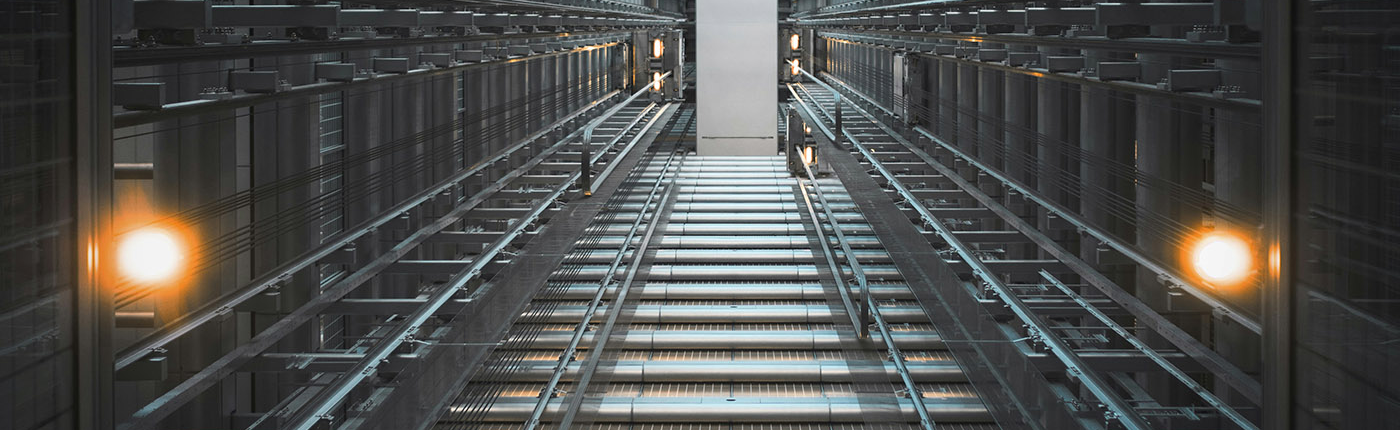
Elevators are lifted and lowered in either of two primary ways: traction and hydraulic. Determining which is best depends on the type of building, occupancy, capacity requirements, and level of use.
TRACTION ELEVATOR
Operating at a higher speed, traction elevators are installed in mid- and high-rise buildings. Easy to operate, they are the most common type of elevator and use ropes, wheels, and an electric motor to run. Compared to hydraulic elevators, they are much faster and more consistent.
HYDRAULIC ELEVATOR
More affordable to install, repair, and maintain than traction elevators, hydraulic elevators don’t use overhead hoisting machinery. The cab is lifted by a fluid-driven piston, mounted inside a cylinder and is better suited to carrying heavier loads. Hydraulic and machine room-less elevators are intended for lower-rise buildings.
MACHINE ROOM LESS ELEVATOR
Machine Room Less elevators do not have a dedicated machine room over the elevator shaft. Instead, there are control boxes installed adjacent to the elevator shaft on the highest landing. They are most popular for mid-rise buildings as they are energy-efficient and offer reliable service.
Lincoln Lifts and Elevators installs:
 PASSENGER ELEVATORS
A passenger elevator is any elevator intended to transport people through a building. Depending on its use, these elevators can vary in size, speed, and interior options.
 FREIGHT ELEVATORS
Designed and constructed to carry freight, these elevators only permit an attendant and freight handlers to ride. Freight elevators are not intended for passenger transport and are designed with heavier construction to withstand tougher working conditions. Different classes of freight elevators accommodate different types of loads.
 DUMBWAITERS
A dumbwaiter is like a small freight elevator. It is often used to transport food in restaurants or smaller goods from floor to floor. However, dumbwaiters can be found in both commercial and private buildings.
 LULA LIFTS
A Limited Use/Limited Application elevator is essentially a handicapped lift that runs automatically and looks more like a passenger elevator. It should not be confused with a passenger elevator. Its use and application are limited by size, capacity, speed and rise.
FREIGHT PLATFORM LIFTS
Freight platform lifts are designed specifically for moving materials rather than passengers. Depending on the application, these systems may transport freight only or permit an attendant or freight handler to accompany the load.
KEY ELEVATOR COMPONENTS
New elevator installation involves several different components, including:
- Elevator Car – may also include a counterweight for traction elevators, which improves elevator safety by reducing strain on the cables
- Cables & Ropes – support the elevator car
- Elevator Machine – the motor that raises and lowers the car (traction or hydraulic)
- Controller – coordinates elevator functions, including travel, speed, acceleration/deceleration, door opening, and levelling
- Safety Systems – mechanical (brakes, buffers) and electrical components that work together to monitor and control safety features such as car speed, car position, and door-lock state
- Hoistway – the fireproof space in which the elevator cab travels, including the pit below and, depending on the type of elevator, the machine room above
- Guide Rails – vertical steel sections that connect the elevator to the building, guiding the elevator within the hoistway
- Doors – most often automatic, but can be manual
WHAT DOES IT COST TO INSTALL AN ELEVATOR?
Several factors influence the cost of a new elevator installation, including building size, whether it’s new construction or a replacement, and any additional building changes, such as fire safety updates, electrical system upgrades, or structural modifications.
Because every project is different, we take the time to understand your building requirements and provide practical recommendations based on your goals and budget.
Contact us for an installation estimate.
The Advantages of Non-Proprietary Elevator Equipment
DISCOVER UNMATCHED SERVICE WITH LINCOLN LIFTS AND ELEVATORS
SALES / SERVICE
Sales and Service Inquiries:
Bill Chislett
Email: sales@lincolnlifts.com
Phone and WhatsApp:
905-651-3599
